

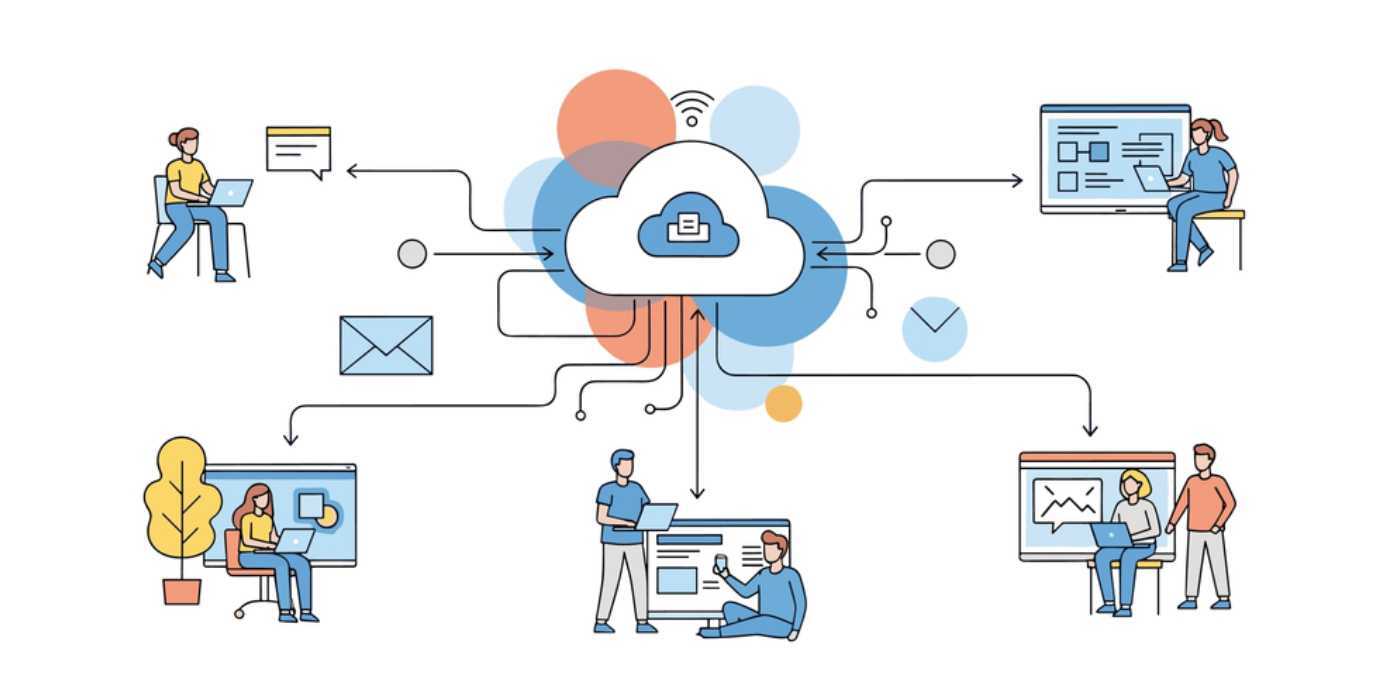
The Future of Remote Audits: Cloud-Based Software Transforms Team Collaboration
Audit software revolutionized accounting procedures, and off-site audit became a necessity, not an option. Most audit teams work from remote offices outside the client’s location, leading to the extensive utilization of cloud-based tools. The pandemic hastened the transition that reshaped contemporary audit culture.
Cloud-based audit software provides safe access to workpapers and financial information remotely, from anywhere, to any place, to keep operations running for remote teams. Solutions offer increased communication, project management, and safe file sharing—crucial to remote audits. Remote auditing saves travel expenses and billable hours, making operations more efficient by removing travel time.
This piece of writing describes how cloud audit workflow management is transforming collaboration, takes security into account in remote workspaces, and describes why this technology is the future of accounting.
The Emergence of Remote Audits in the Contemporary Era
The audit environment has evolved a great deal from being paper-based, labor-intensive documentation to extremely sophisticated digital processes. Physical presence and manual processing were at the heart of traditional audits, but technology has revolutionized how audit teams work remotely.
Cloud audit tools offer scalability, affordability, and accessibility. They improve data security via encryption, multi-factor authentication, and automated backup. Principal providers also comply with international standards such as ISO 27001, GDPR, and SOC 2, which provides assurance of regulatory compliances.
The COVID-19 pandemic accelerated digitalization. Remote auditing became a necessity for business continuity. Companies adapted to using virtual meeting software and digital collaboration software to make sure they were able to operate without being physically present.
Remote auditing offers several key benefits:
- Removing travel time allows the auditors to concentrate on value-added work.
- More auditors in general, and part-timers and specialists.
- Eased facility strain with flexible documentation assembly.
There are still issues to be overcome, including evidential constraints at collection, possible fraud due to diminished face-to-face contact, and technical problems. Skills such as emotional intelligence, business awareness, flexibility, and proactive problem-solving need to be acquired by auditors so that they can remain effective.
How Cloud Audit Software Enhances Collaboration
Cloud-based collaboration is at the heart of contemporary audit technology, where groups of people collaborate in virtual environments irrespective of location. Real-time capability erases version control issues experienced by teams utilizing email and desktop software.
Cloud audit tools now feature interactive dashboards that provide insights and audit tracking. They have real-time access to the status of audits so that swift strategic decisions can be taken without constant meetings. Top platforms assert that this approach improves collaboration through comments, sign-offs, and in-app notifications.
Document management is central to collaboration effectiveness.
- Cloud platforms revolutionize audit evidence collection by producing:
- Central storage of audit files is accessible to authorized team members.
- Automated processes facilitate easier document requests that conserve stakeholders’ time.
- Client portals allow documents requested to be loaded directly into the system.
- Client portals are valuable communication tools that simplify the intricate process of confidential data.
- They substitute cumbersome email threads with document templates and confidentiality.
Task management improves collaboration by assigning tasks, deadlines, and tracking progress. Some platforms automatically escalate overdue tasks so people can be held accountable. Notifications are also automated, keeping everybody in the loop during audits.
Collaborative benefits apply to teams as well. Cloud audit software supports client relationships through easier file transfer and communication. Electronic client letter signature is now commonly built into systems, decreasing administrative loads.
Priced at a premium is the capability for managers and partners to view work from anywhere, enabling real-time evaluation rather than waiting for completed workpapers. This constant monitoring improves quality control and keeps projects in motion, creating a more responsive audit experience for auditors and clients.
Cloud-Based Audit Environments: Security & Compliance
Security issues are the top priority for cloud-based audits, particularly with sensitive financial information transferring from on-premise to cloud storage. Secure firm controls are vital to successful remote audit solutions.
Data encryption is the top cloud audit platform defense. Well-established providers use AES-256 encryption for data at rest and TLS for data in transit, ensuring security throughout the cloud lifecycle.
RBAC changes team collaboration with audit data by constraining access from a user role point of view. When employees change positions, admins update their role so that permission updates occur automatically.
Security experts claim that properly executed RBAC benefits organizations:
- Grant systematic permission assignments.
- Ensure user authorization and troubleshoot quickly.
- Adjust other APIs’ roles.
- Minimize errors in permission allocations.
- Assemble external users by defined roles.
- Audit trails are crucial to cloud monitoring.
- They record access, timing, and changes to data.
Apart from security, they help in reconstructing timelines during outages, identifying errors, and as legal proof.
Cloud compliance goes beyond security fundamentals.
Audit software compliance usually entails compliance with the standards of various frameworks:
- GDPR for data privacy.
- HIPAA for health information
- SOX ensures financial reporting integrity.
- PCI DSS safeguards payment cards.
Cloud audit systems need to implement entity-based access controls on types, classes, and entities. Only authorized users are allowed to access appropriate data, tests, and observations. This balance between access and security creates a secure audit environment.
Conclusion
Future is Now: Adopt Cloud Audit Solutions
Remote auditing is the new norm for accountants worldwide. This article examined how cloud-based audit software improves collaboration with security in place.
Cloud technologies revolutionize audit processes with virtual work areas to collaborate in real-time from anywhere. They also offer real-time dashboards, document storage in a centralized repository, and automated task assignment, essential for effective and precise contemporary audit teams.
Security is a high priority for sensitive financial information, covered with encryption, role-based access, and audit trails. These safeguards cover information and allow for proper access by team members.
The COVID-19 pandemic magnified digital transformation that was already in progress. Businesses that employed cloud solutions were resilient during crisis periods, like JC CPAs and Advisors who operated in spite of a hurricane as other businesses failed.
Advantages extend beyond convenience. Teams conserve travel time, access wider pools of talent, and reduce facility loads. Clients have smoother interactions through secure portals and streamlined communication. Managers and partners see what’s happening in real-time from anywhere, supporting quality control and maintaining project momentum.
Challenges persist in spite of benefits. Limitations of evidence collection, fraud risks, and technology limitations necessitate that auditors develop emotional intelligence, business skills, flexibility, and problem-solving abilities.
The accounting profession stands at a fork in the road. Cloud auditing software is the future of the profession, not a phase-out. Firms that embrace such solutions can deliver more value, increase efficiency, and serve clients better in a digital age.
The auditing of the future is now, fueled by cloud technology that transforms our communication, collaboration, and delivery of services.